Comfort
Designed around a comfortable passenger experience — smooth movement, controlled acceleration and considered travel dynamics that feel natural.
 Design your lift
↗
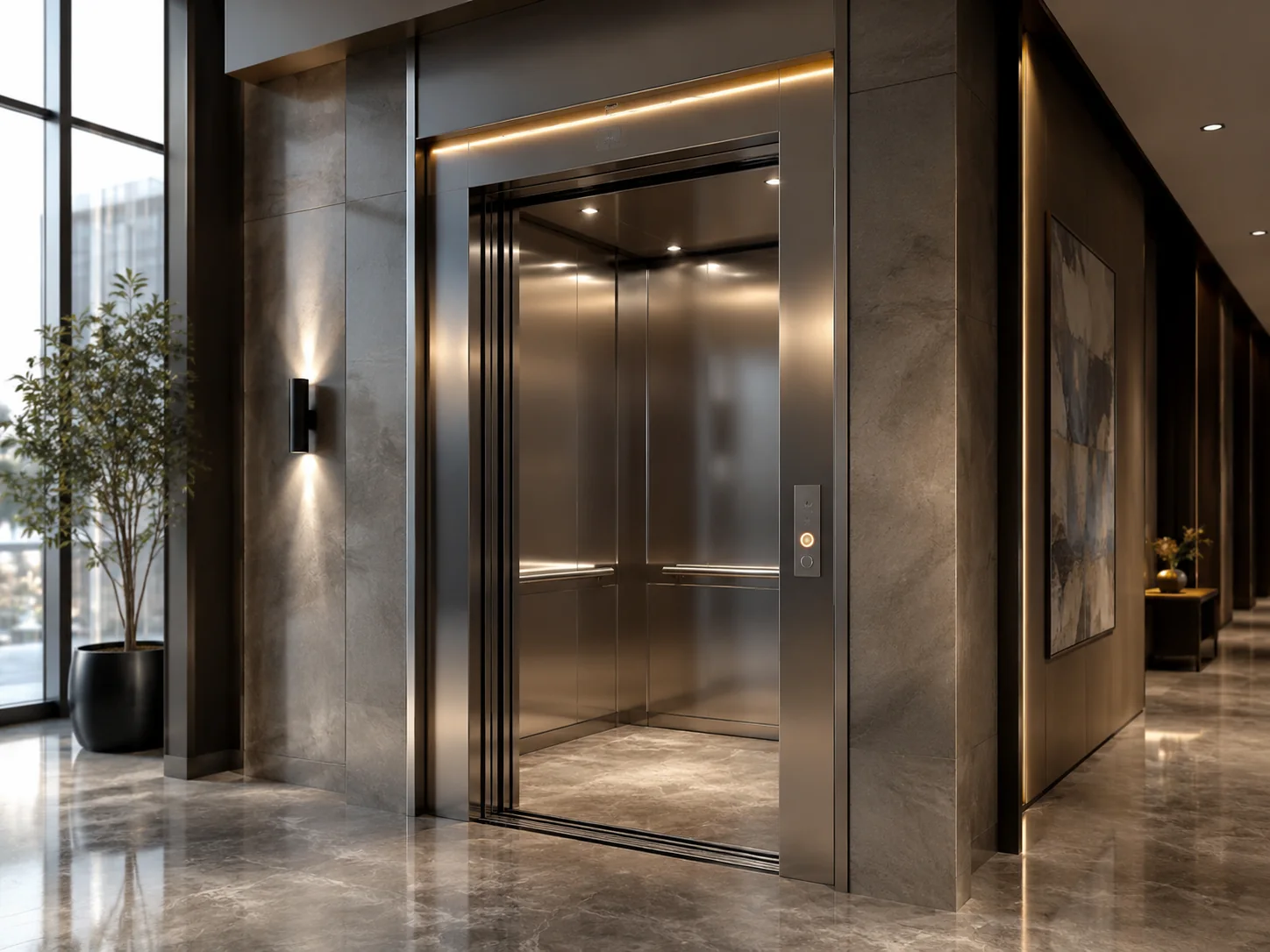
Elevating everyday movement with comfort and precision.
Passenger lift solutions designed around people, buildings and everyday vertical mobility.
A passenger lift is a vertical transportation system designed to move people comfortably between levels of a building — planned around human movement, accessibility and everyday experience.
Passenger lifts are present in almost every kind of multi-storey building. In residential buildings, they connect apartments, common areas and floors. In commercial and office buildings, they move employees, clients and visitors throughout the working day.
Because they are used so often and by so many people, passenger lifts are judged on more than their engineering. They are felt in how quietly they run, how smoothly they stop, and how consistently they perform over years of daily operation.
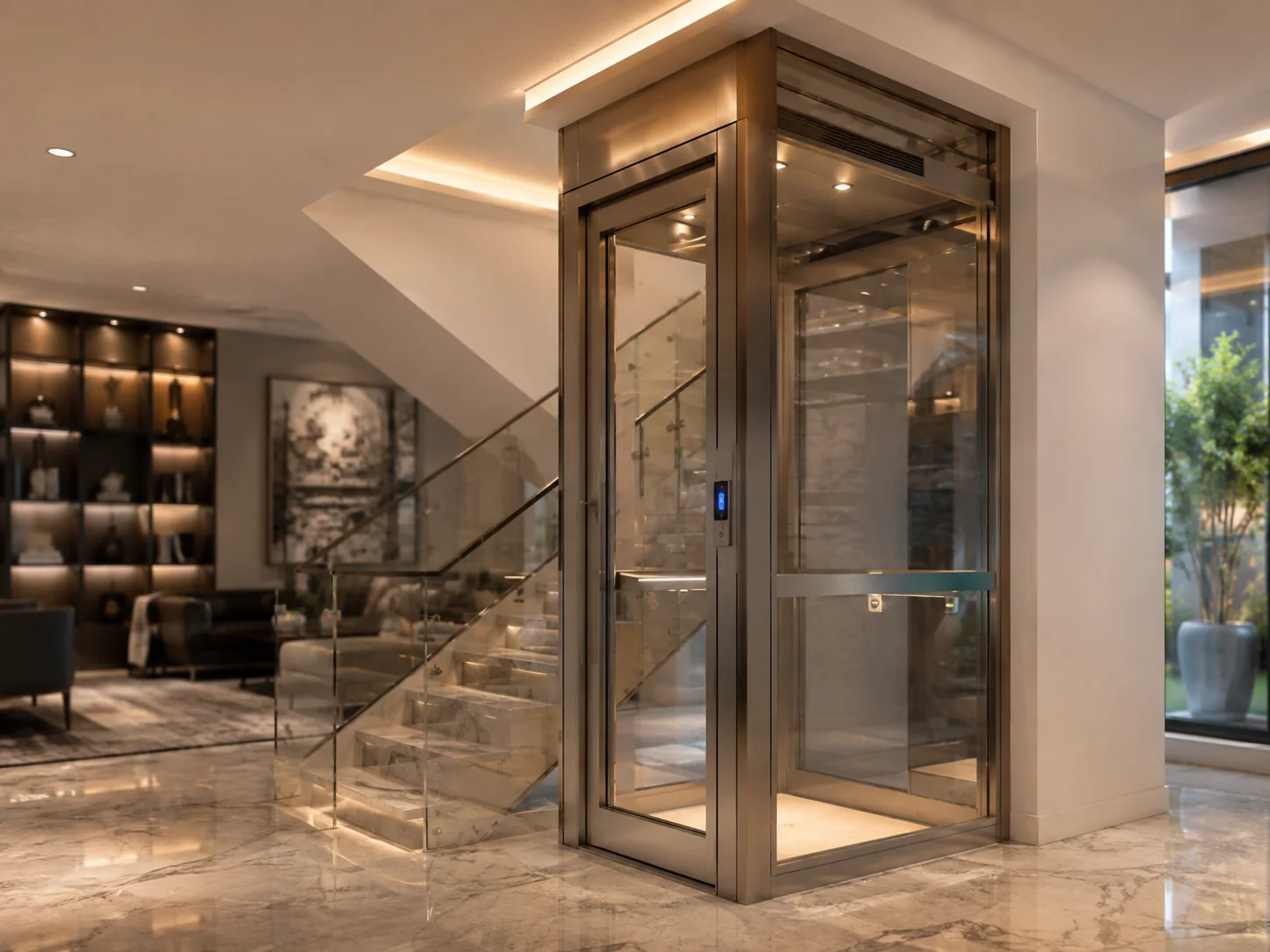
A passenger lift is part of the daily experience of a building — from the moment a passenger enters the cabin to the moment they reach their destination.
Designed around a comfortable passenger experience — smooth movement, controlled acceleration and considered travel dynamics that feel natural.
Supporting convenient movement between levels. A passenger lift is often the most-used piece of shared infrastructure in a building.
An elevator can become part of the building's architectural and interior environment — cabin finishes, lighting and details contribute to the whole.
Every passenger lift brings together multiple elements that work as one complete system.
Smooth movement, controlled acceleration and considered travel dynamics that feel natural in everyday use.
Coordinated mechanical, electrical and control behaviour that reduces wear and supports reliable ride quality.
Cabin materials, finishes, lighting and proportions chosen to integrate with the building's interior language.
Designed to work within the requirements of different building environments, from residential to institutional.
Safety-related systems verified during installation, testing and commissioning, and maintained across the lifecycle.
Consideration for installation, maintenance and long-term support so the lift continues to perform across its working life.
Passenger lifts can support vertical movement across a range of building environments. The right configuration depends on the building itself.
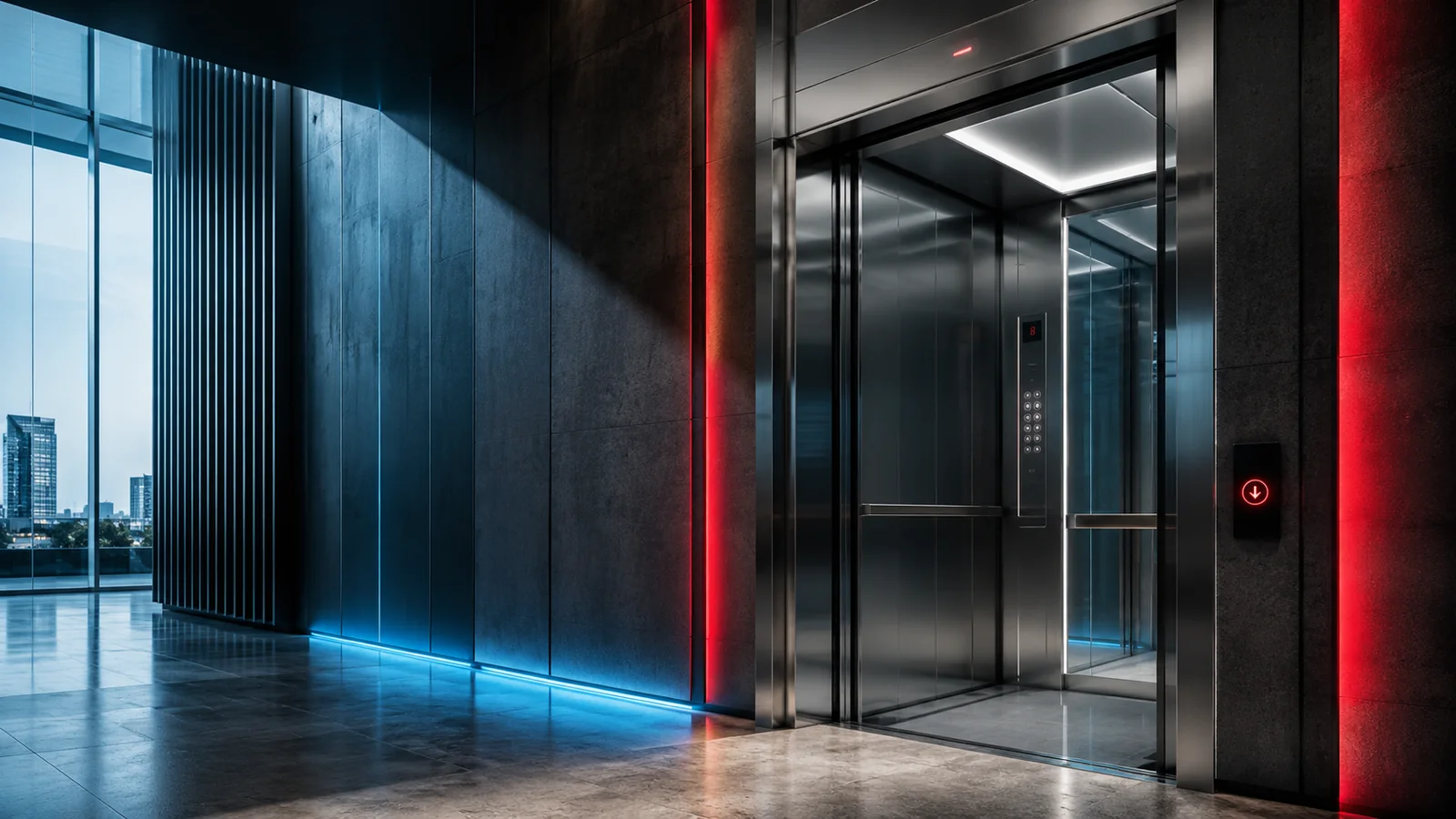
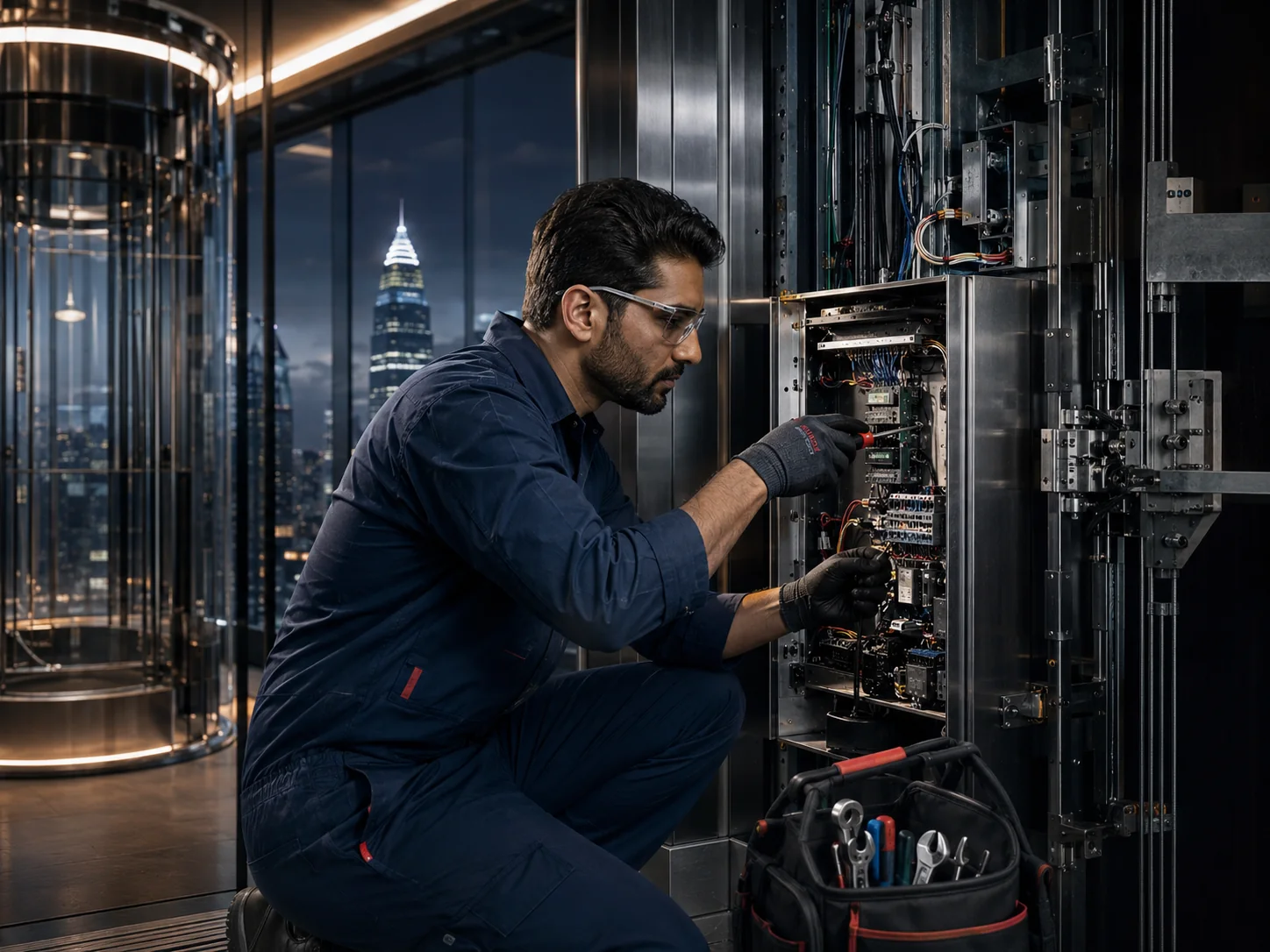
A passenger lift brings together multiple mechanical, electrical and safety elements to provide controlled vertical movement.
The passenger space itself — configured around the building's requirements, interior finishes and accessibility needs.
The doors at each served floor that provide safe access to the cabin and integrate with the safety and control systems.
Coordinates movement, door operation and passenger calls — the interface between the lift and the people who use it.
Guide rails and related components that maintain accurate travel of the cabin and counterweight within the shaft.
The system that generates and controls movement — selected and configured around the building's requirements and expected usage.
Safety-related components that support controlled and dependable operation — verified during installation, testing and ongoing maintenance.
Explore the passenger lift through different views and details.
Passenger lift configuration is defined around the building and its requirements. The following summarises the areas typically considered during planning.
Detailed specifications are provided based on the specific project. Contact HEXA to discuss your building's requirements.
Each passenger lift project follows a structured process — from understanding the building to supporting the lift through its working life.
Understand building requirements, access conditions and project constraints before work begins.
Coordinate the elevator solution with the building's structure, architecture and other services.
Install and integrate the elevator system with careful attention to alignment and detail.
Test movement, doors, controls and safety functions before the lift is prepared for operational use.
A passenger lift is a vertical transportation system designed primarily to move people between different levels of a building. It is planned around human movement — comfort, accessibility, safety and interior experience are part of its design.
Passenger lifts are used across residential buildings, commercial and office buildings, hotels and hospitality environments, institutional buildings such as schools and campuses, and public buildings where accessibility and daily movement are important.
Selection depends on the building itself — its type, purpose, layout, number of floors, expected usage, access requirements and architectural intent. Comfort, reliability, interior design and long-term service support are also important considerations. Detailed requirements are best confirmed after a site survey.
Yes. Passenger lift configuration — including cabin layout, finishes, door arrangement, controls and access considerations — is planned around the building's specific requirements. The right combination is defined during project planning.
Installation typically includes site survey, planning and coordination with the building, installation and integration of the system, testing of movement, doors, controls and safety functions, commissioning and handover. Each stage is coordinated around the building's construction and operating requirements.
Before a passenger lift is released for operation, its movement, floor stopping accuracy, door operation, control responses and safety-related functions are checked as part of testing and commissioning. The system is prepared for operational use once these are confirmed.
Passenger lifts require regular preventive maintenance — including inspection, cleaning, lubrication, adjustment and testing of doors, guide system, machine components and safety circuits. Ongoing maintenance helps keep the lift safe, smooth and dependable across its working life.
Yes. Existing passenger lifts can often be modernised — with controller, drive, door, cabin and safety system upgrades — to restore reliability, improve ride quality and extend the working life of the elevator without full replacement.
Residential
01
Compact, quiet elevators designed for villas, duplexes and private homes.
Explore ↗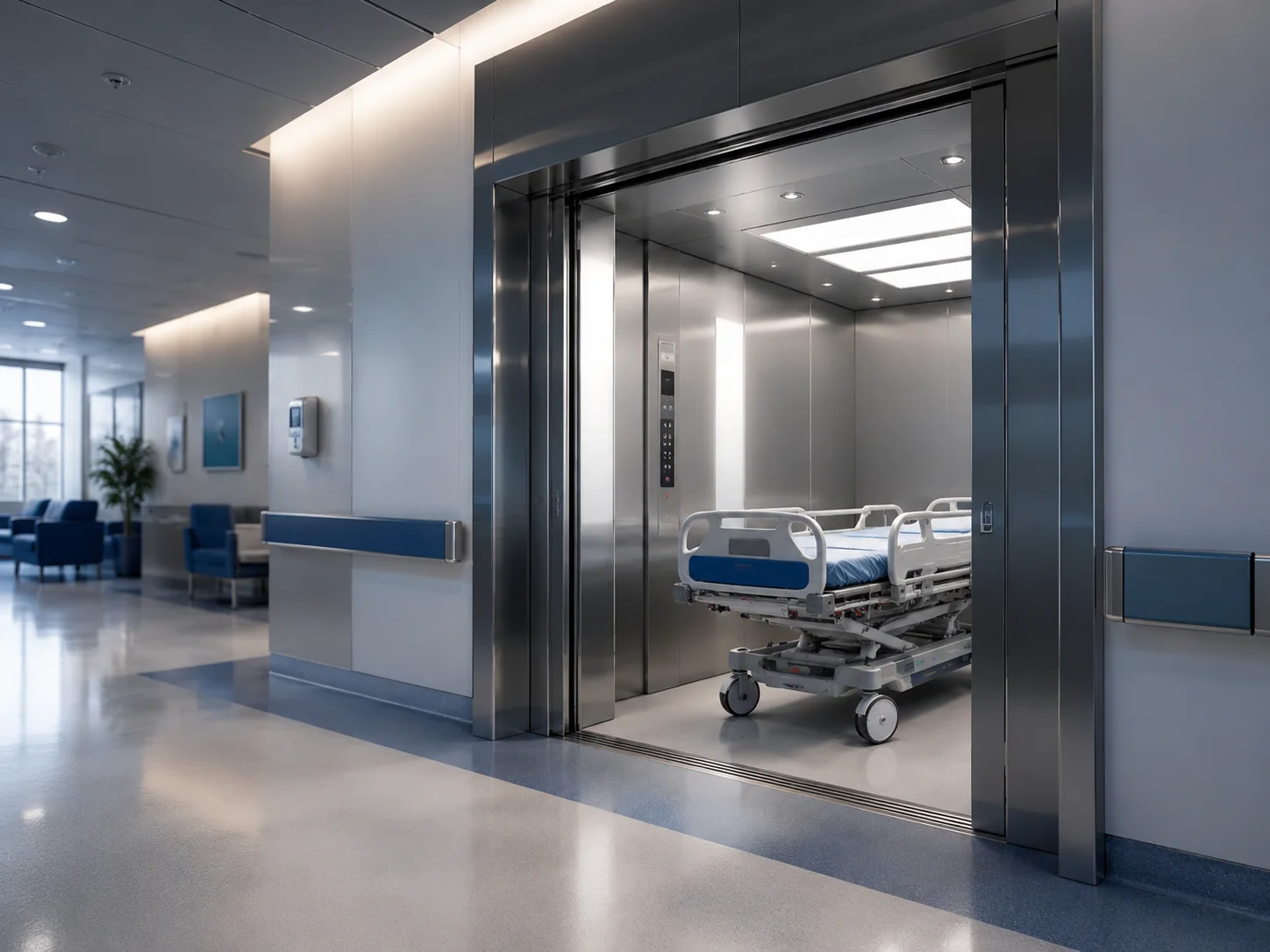 Healthcare
02
Stretcher, bed and patient-movement elevators for healthcare buildings.
Explore ↗
Architectural
03
Glass-cabin elevators for lobbies, atriums and architectural features.
Explore ↗
Planning a passenger lift for a new building, upgrade or project? Tell us about your requirements and speak with the HEXA team.