Heavy-Duty Loads
Cabin, platform and doors planned around the types of loads the facility needs to move — with attention to weight, size and handling.
 Design your lift
↗
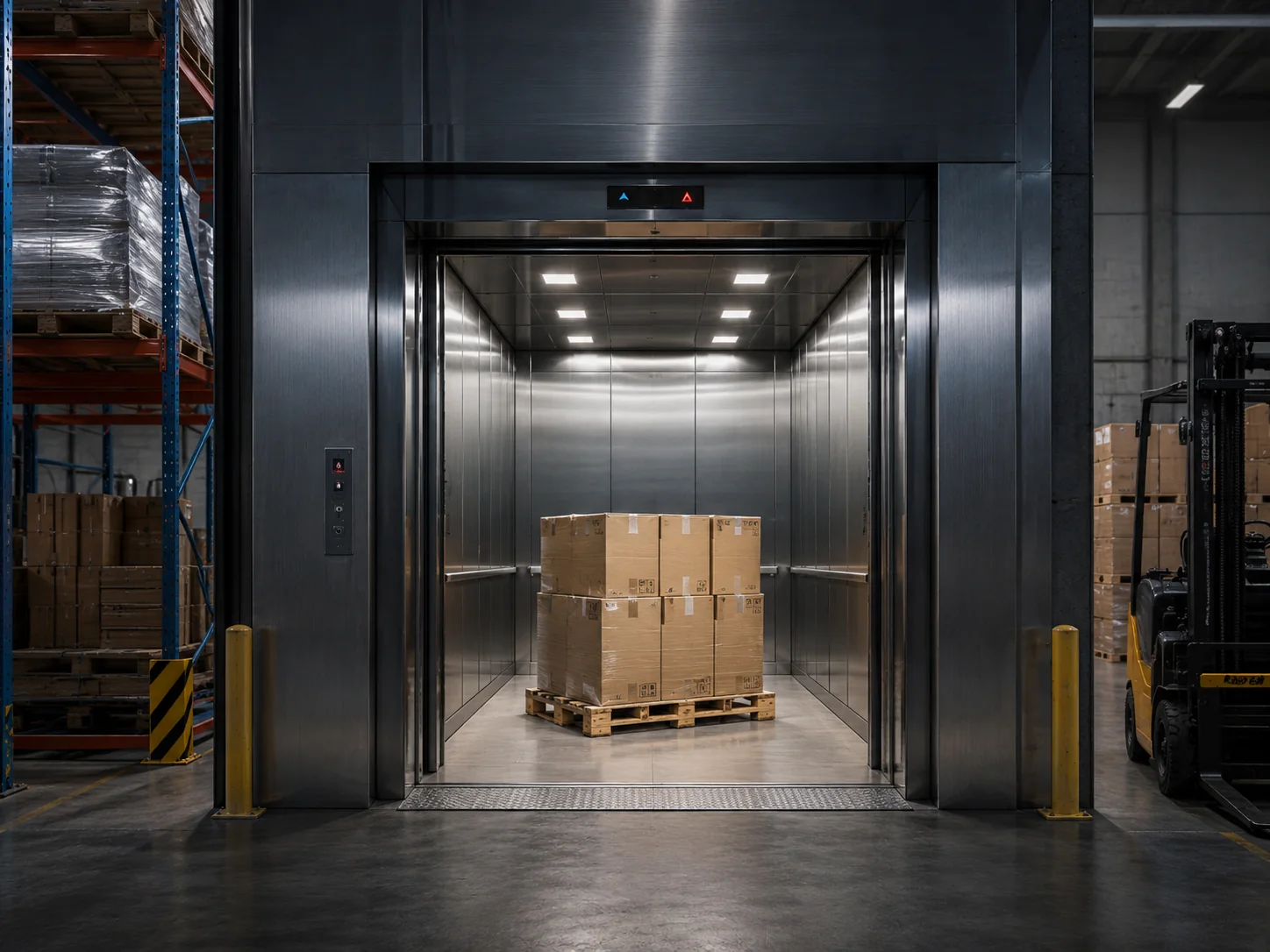
Heavy-duty elevators for warehouses, factories and industrial movement.
Freight elevator solutions designed around load, durability and reliable service access in demanding environments.
A freight elevator is a vertical transportation system designed to move heavy loads, equipment and materials between floors — built around durability, load capacity and service access.
Freight elevators are used in warehouses, factories, industrial buildings and logistics facilities where the movement of goods and materials is central to daily operations. Unlike passenger elevators, freight elevators are planned around load capacity, the size of items to be moved, and the practical reality of moving heavy materials between levels throughout the working day.
HEXA approaches freight elevator projects as engineering projects — understanding the loads, the building's structure, the way vehicles and pallets need to move, and the durability expected in demanding environments. Cabin, doors, drive system and controls are all coordinated with the building so the elevator becomes a dependable part of the facility's operations.
A freight elevator becomes part of the daily logistics of a facility — from the moment a load is placed on the platform to the moment it reaches its destination floor.
Cabin, platform and doors planned around the types of loads the facility needs to move — with attention to weight, size and handling.
Built for the repetitive nature of industrial movement — where reliability matters more than any single journey.
Loading and unloading planned around forklifts, pallets, trolleys and how materials actually move within the facility.
Every freight elevator brings together multiple elements that work as one complete system — from the platform that carries the load to the controls that coordinate its movement.
Platform and cabin designed around the loads to be moved — with attention to size, weight and reinforcement.
Door width and opening behaviour planned around forklifts, pallets and trolleys for practical movement of goods.
Considered construction that reflects the repetitive nature of industrial use and the loads carried.
Designed to work within the requirements of different facilities — warehouses, factories and industrial buildings.
Safety-related systems verified during installation, testing and commissioning, and maintained across the working life of the lift.
Consideration for installation, maintenance and long-term support so the lift continues to perform in demanding environments.
Freight elevators support movement across a range of industrial and logistics environments. The right configuration depends on the loads and the building itself.
Explore the freight elevator through different views and details.
Freight elevator configuration is defined around the building and the loads to be moved. The following summarises the areas typically considered during planning.
Detailed specifications are provided based on the specific project. Contact HEXA to discuss your facility's requirements.
Each freight elevator project follows a structured process — from understanding the facility's loads and structure to supporting the lift through its working life.
Understand the building's structure, loads to be moved and available space before work begins.
Coordinate the freight elevator configuration with the building's structure, layout and access routes.
Install and integrate the freight elevator system with careful attention to alignment and load handling.
Test movement, doors, controls and safety functions before the lift is prepared for operational use.
A freight elevator is a vertical transportation system designed to move heavy loads, equipment and materials between floors. It is built around load capacity, durability and practical service access in demanding environments.
Freight elevators are used in warehouses, factories, logistics facilities, industrial buildings, manufacturing plants and specialised facilities where heavy loads and materials need to move between floors throughout the working day.
Selection depends on the types of loads to be moved, the size and weight of items, the building's structure, available space for the shaft, the number of levels served and the way loads will be moved onto and off the elevator. Detailed requirements are best confirmed after a site survey.
Yes. Freight elevator configuration — including cabin size, reinforcement, door arrangement, opening positions, finishes and access considerations — is planned around the building's specific requirements. The right combination is defined during project planning.
Installation typically includes site survey, planning and coordination with the building, installation and integration of the system, testing of movement, doors, controls and safety functions, commissioning and handover. Each stage is coordinated around the building's construction and operational requirements.
Before a freight elevator is released for operation, its movement, floor stopping accuracy, door operation, control responses and safety-related functions are checked as part of testing and commissioning. The system is prepared for operational use once these are confirmed.
Freight elevators require regular preventive maintenance — including inspection, cleaning, lubrication, adjustment and testing of the drive, cabin, doors, guide system and safety circuits. Ongoing maintenance helps keep the lift safe, smooth and dependable across its working life in demanding conditions.
In some cases, yes. Freight elevators can be installed in existing buildings where the structure, shaft and access routes allow — but the load and space requirements are significant, so a site survey is essential to confirm feasibility.
Load Movement
01
Engineered for carrying loads, materials and goods between floors.
Explore ↗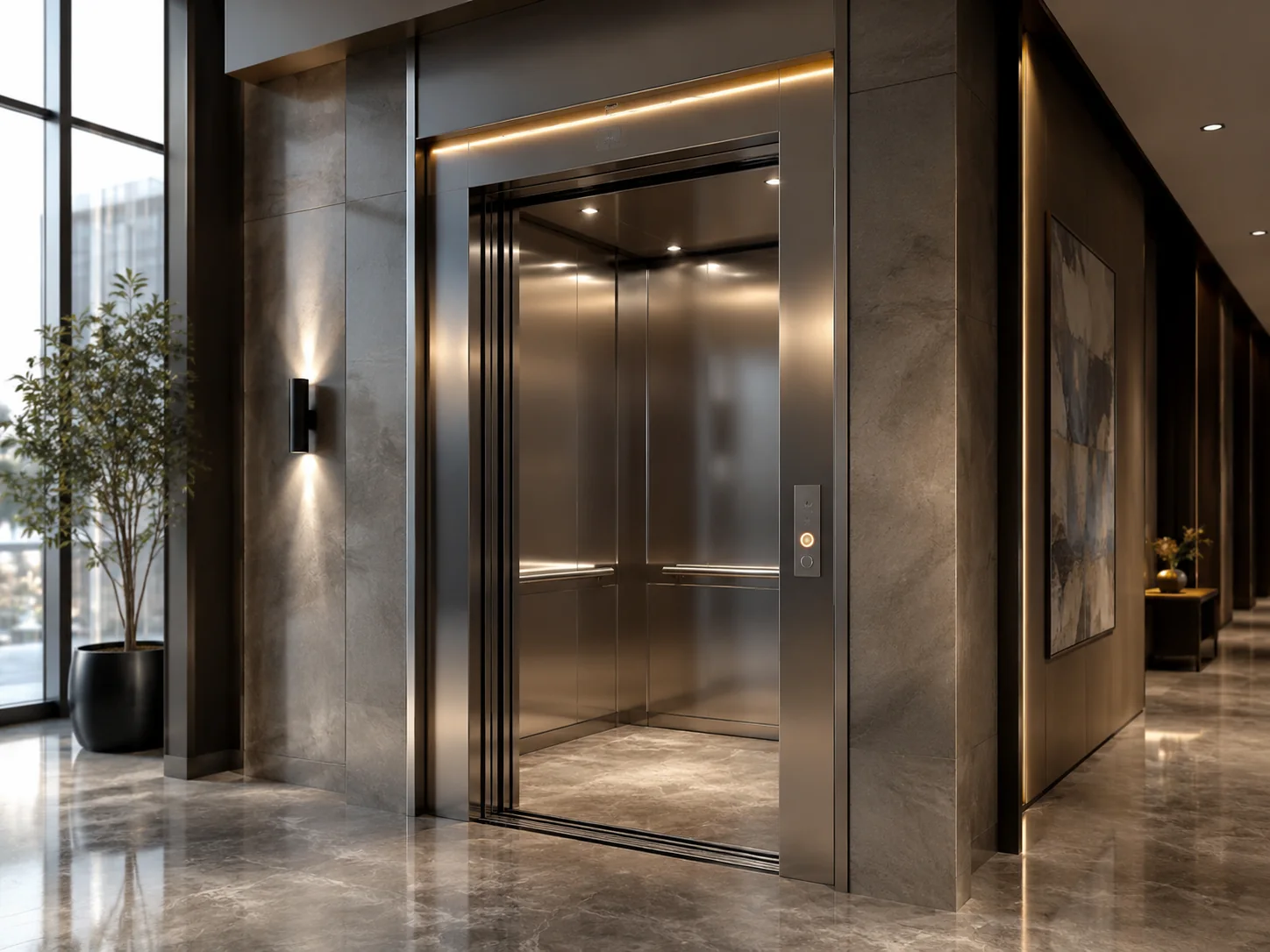 Vehicle
02
Vehicle-capacity elevators for showrooms, parking structures and residences.
Explore ↗
Service
03
Small service lifts for moving food, documents and light items between floors.
Explore ↗
Planning a freight elevator for a new facility, upgrade or logistics project? Tell us about your requirements and speak with the HEXA team.